A short walk to a bus stop, a flight of stairs or a shower can become exhausting when the lungs and right side of the heart cannot raise oxygen delivery during exertion. You will learn how to pace daily tasks, recognise dangerous changes and plan Pune travel, work and household routines more safely.
Key takeaways
- Pace tasks, sit for washing and dressing, and rest before severe breathlessness starts.
- Use shorter Pune journeys, avoid heavy exertion in heat, and plan rest stops.
- Seek urgent help for chest pain, fainting, blue lips or severe breathlessness at rest.
- Ask a specialist to review oxygen levels, swelling, medicines and safe activity limits.
Why walking, stairs and routine tasks become harder
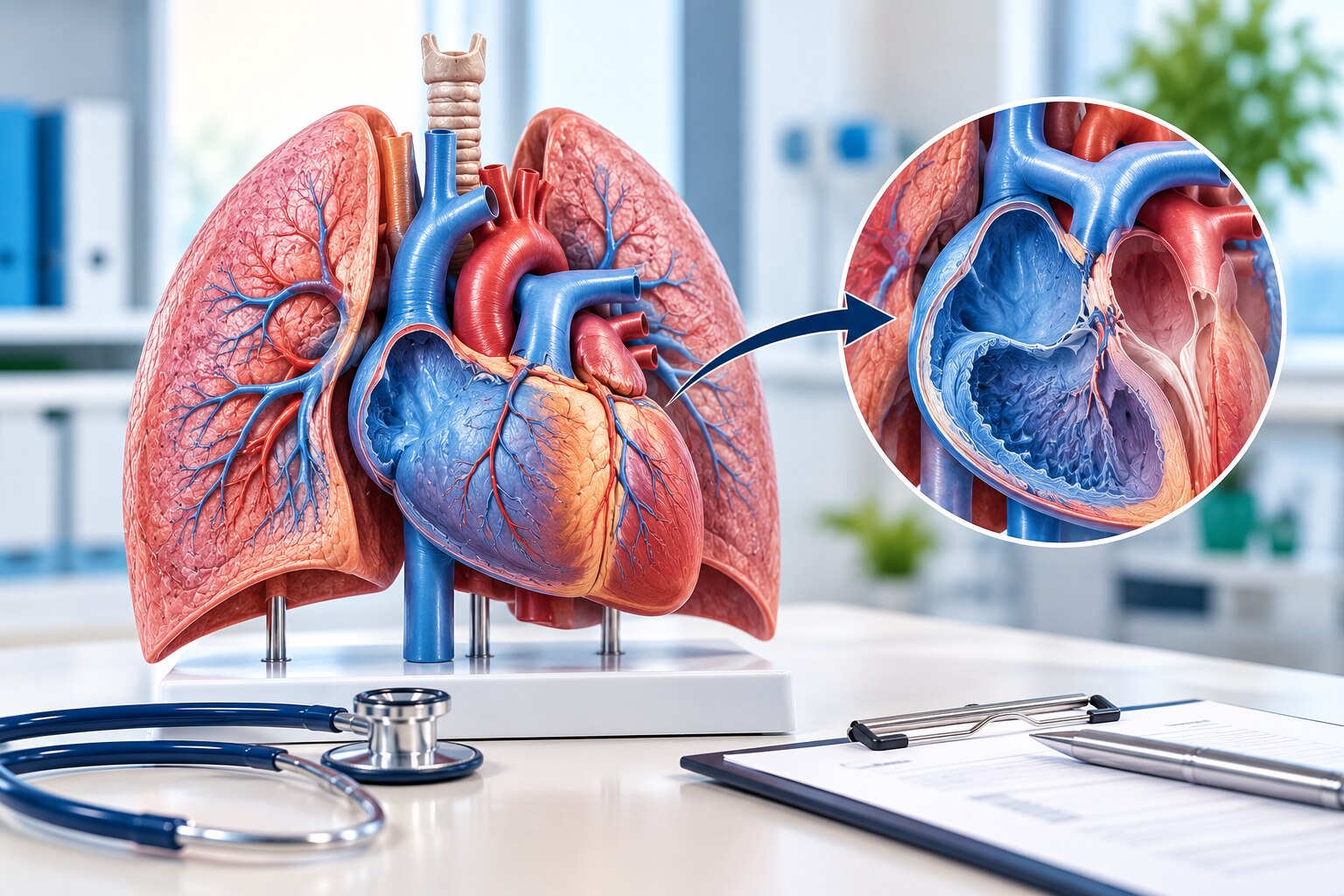
A short walk can expose cor pulmonale before you feel unwell while sitting. Lung disease or pulmonary-vessel damage raises pressure in the pulmonary arteries, forcing the right ventricle to pump harder. As the right side enlarges or weakens, it cannot increase blood flow enough during exertion.
Your muscles receive less oxygen, so walking to a bus stop, climbing stairs or carrying a bag brings breathlessness and heavy fatigue sooner.
Cor pulmonale breathing problems can also reflect fluid backing up on the right side of the heart. Swollen ankles, tight shoes or abdominal fullness add weight and make movement harder; swelling can also come from kidney disease, vein problems, medicines or another heart condition.
A fast heartbeat, chest discomfort or reduced stamina can accompany the strain. Dizziness occurs when exertion temporarily fails to maintain adequate blood flow to the brain, and fainting is an urgent warning.
The question of how cor pulmonale for affects everyday activities in Pune depends on your lung disease, pulmonary pressure and treatment, not simply on Pune’s altitude, humidity or air quality.
Cor pulmonale daily activities become limited when ordinary effort repeatedly triggers symptoms: you stop on stairs, need breaks while dressing or bathing, or cannot finish cooking without sitting down. Do not force through marked breathlessness, chest pain, severe dizziness or near-fainting.
Rest and seek medical advice promptly, especially if symptoms appear suddenly or occur at rest.
How to bathe, dress, cook and shop without exhausting yourself
Sit for tasks that do not require standing. For cor pulmonale daily activities, keep a shower chair, dressing stool and kitchen stool within reach. Bathe with lukewarm water, use a handheld shower, and wear a towelling robe instead of bending to dry yourself. Hot water and steam can worsen breathlessness.
Lay out clothes before you start. Dress while seated, choose loose garments with elastic or front fasteners, and pause between items. Keep toiletries, clothing, pans and staple foods at waist height so you do not repeatedly bend, reach or climb.
| Activity | Lower-effort change | Arrange help when |
|---|---|---|
| Bathing | Sit, use a handheld shower and keep the bathroom ventilated | You feel dizzy, faint or breathless while seated |
| Cooking | Prepare ingredients seated, cook in batches and use lightweight pans | You must carry a full pot or stand for long periods |
| Shopping | Use a trolley, buy smaller loads or choose home delivery | Bags, stairs or a long walk to transport are unavoidable |
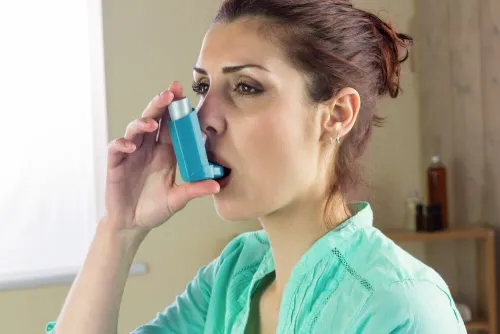
Break household work into short blocks with planned rests before symptoms become severe. Exhale during effort, avoid rushing, and use prescribed inhalers exactly as directed; do not start oxygen unless a clinician prescribed it.
Stop and seek medical advice for new chest pain, fainting, breathlessness at rest, blue or grey lips, or rapidly increasing leg or abdominal swelling. These changes need assessment, not extra rest or a harder exercise plan.
Planning Pune commutes, outdoor time, work and sleep
Plan demanding travel and outdoor work around your breathing, not the clock. Do not label cor pulmonale symptoms in Pune as pollution, heat or monsoon humidity without checking the cause. Use the Central Pollution Control Board air-quality index before outdoor plans, and reduce strenuous activity when particulate pollution is poor.
- Leave extra time for bus stops, traffic and stairs; choose a seat, lift or route with fewer climbs, and schedule rest before you become breathless.
- On dusty or polluted days, keep windows closed near heavy traffic, avoid outdoor exercise, and use prescribed inhalers exactly as directed. A cloth mask does not make heavy exertion safe during severe pollution.
- In hot, humid weather, travel early or late, carry water if your clinician permits it, and avoid rushing between appointments.
- Tell your employer which tasks trigger cor pulmonale breathing problems. Request seated work, shorter walking distances, planned breaks and flexibility for medical appointments rather than waiting until you cannot finish a shift.
Protect sleep by keeping a regular bedtime and recording waking breathlessness, gasping, loud snoring, or breathlessness when lying flat. Do not start oxygen or change a CPAP setting without medical advice. New night symptoms, rapidly increasing swelling, sudden breathlessness, chest pain, fainting, blue lips or confusion need urgent assessment, not a weather-related explanation.
Which changes require urgent help rather than rest at home
Familiar exertional breathlessness improves after you stop and rest; it does not rapidly worsen from one day to the next. Cor pulmonale symptoms in Pune can be mistaken for heat, humidity or pollution, but cor pulmonale breathing problems need urgent assessment when the pattern changes, appears at rest or arrives suddenly.
| Pattern | What it means | Action |
|---|---|---|
| Stable exertional breathlessness | Breathlessness follows a known effort, settles with rest and has no new chest pain, fainting or confusion | Stop, sit upright, use prescribed treatment and contact your clinician if it is becoming more frequent |
| Urgent change | Breathlessness is worsening, occurs while resting or lying down, or comes with new leg or abdominal swelling, palpitations, fever or persistent cough | Seek same-day medical advice; do not wait for a routine review |
| Emergency warning | Severe sudden breathlessness, fainting or near-fainting, blue or grey lips, confusion, severe chest pain or inability to speak normally | Call emergency services now; do not drive yourself |
Until a clinician advises you, stop strenuous walking, climbing repeated flights of stairs, carrying shopping, heavy housework and outdoor exercise in heat, dust or pollution. Stop immediately for marked dizziness, chest pain, severe breathlessness or near-fainting.
Do not impose complete bed rest unless instructed; prolonged inactivity can weaken you. Sit upright, keep essential movement gentle, and ask for help with bathing, cooking or commuting while you arrange assessment. Tell the clinician whether the change was gradual or sudden and whether swelling, fever, cough or chest pain accompanied it.
What specialist assessment and follow-up can change your activity plan
Book a specialist review when breathlessness is worsening, appears with less effort, or comes with exertional dizziness, ankle swelling, rapid heartbeat or reduced oxygen readings. A heart-lung disease doctor in Pune may coordinate a pulmonologist and cardiologist, especially when lung disease, pulmonary hypertension or right-heart strain overlap.
Ask what is driving the pressure in the lung circulation before accepting an activity restriction or pulmonary-hypertension medicine. Assessment may include:
- Echocardiography and an electrocardiogram to assess right-ventricular size, function and pressure estimates.
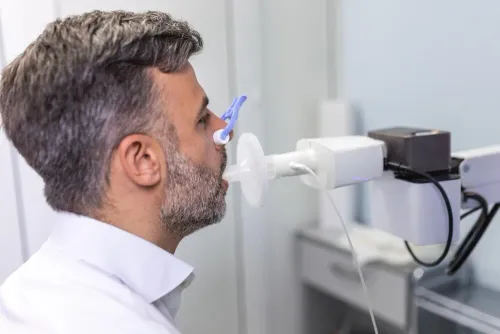
- Spirometry, lung-volume and diffusion-capacity testing to identify COPD, emphysema or interstitial lung disease.
- Pulse oximetry during rest and walking; arterial blood gas testing when oxygen or carbon-dioxide levels need precise measurement.
- Sleep history and a sleep study when snoring, pauses in breathing or morning headaches suggest sleep-disordered breathing.
- CT pulmonary angiography or a ventilation-perfusion scan when chronic clot-related disease is possible.
Follow-up should track your symptoms, weight, swelling, oxygen readings, walking distance and medication effects. Bring a log showing which task causes breathlessness and how long recovery takes; it gives the clinician a usable basis for changing your plan.
Once you are stable, pulmonary rehabilitation can teach paced walking, breathing control, strength exercises and planned rests. Prescribed inhalers, oxygen, sleep-apnoea treatment or clot-directed care can improve function when they match the cause. Do not self-start antibiotics or pulmonary-hypertension drugs.
At Dr Kunjir's Brio Clinic, ask whether respiratory and cardiac findings need joint review before you set limits on your cor pulmonale daily activities.
Related service
Chest Diseases Treatment BRONCHITIS Bronchitis is a condition that develops when the airways in the lungs, called bronchial tubes, become inflamed and cause coughing, often with mucus... |
Frequently asked questions
Why do walking, stairs and routine tasks become harder with cor pulmonale?
Lung disease or pulmonary-vessel damage raises pressure in the pulmonary arteries. The right ventricle then works harder and may not increase blood flow enough during exertion, causing breathlessness and fatigue.
How can you bathe, dress, cook and shop while managing cor pulmonale?
Break tasks into smaller steps, sit for bathing and dressing, keep frequently used items within reach, avoid carrying heavy loads, and rest before breathlessness becomes severe.
How should you plan Pune commutes, outdoor time, work and sleep?
Choose shorter routes with fewer stairs, allow extra travel time, schedule rest stops, limit strenuous outdoor activity during heat or poor air quality, and follow your clinician's sleep and oxygen advice.
Which cor pulmonale symptoms require urgent help rather than rest at home?
Seek urgent medical help for severe breathlessness at rest, chest pain, fainting, blue lips or fingertips, new confusion, or a rapid worsening of swelling or symptoms.
Keywords