Tobacco smoke can injure the airways, increase mucus and turn a temporary cough into a recurring or chronic problem, but not every smoker’s cough is bronchitis. You will learn how to distinguish irritation, acute bronchitis, chronic bronchitis and COPD, recognise danger signs, and decide when to arrange medical care.
Key takeaways
- Smoking damages airway lining, cilia and mucus clearance.
- Seek urgent care for severe breathlessness, blue lips or confusion.
- Book an assessment for a cough lasting more than three weeks.
- Stopping smoke exposure is the first step in airway recovery.
How smoking damages the airways and causes bronchitis
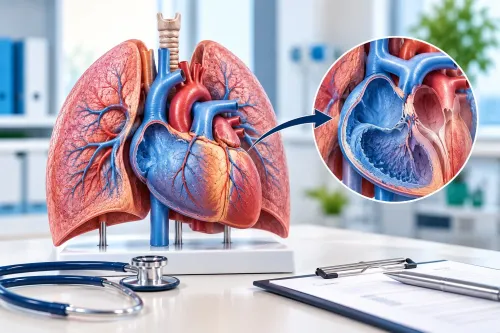
Tobacco smoke directly damages the bronchial tubes. Repeated exposure inflames their lining, increases mucus production and weakens the cilia that move mucus and trapped particles out of the lungs. That combination causes persistent cough and can produce chronic bronchitis; smoking is also the leading preventable cause of COPD.
| Condition | What it means | Smoking’s role |
|---|---|---|
| Short-lived smoking cough | Irritation causing cough after smoking, often lasting days or weeks | Smoke triggers inflammation but this alone is not chronic bronchitis |
| Acute bronchitis | A cough from short-term airway inflammation, usually after a viral infection | Smoking worsens irritation and can prolong the cough; it is not usually the original infection |
| Chronic bronchitis | Productive cough on most days for at least three months in each of two consecutive years, after other causes are assessed | Repeated smoke exposure is a major cause |
| COPD | Long-term airflow limitation, usually from smoking, with symptoms such as breathlessness and wheezing | A COPD flare-up means symptoms suddenly worsen over days, often after infection or irritant exposure |
Smoking can also increase the risk of recurrent bronchitis, but not every cough in someone who smokes comes from tobacco. Asthma, pneumonia, tuberculosis, reflux, air pollution and viral infections can look similar. A search for smoking and bronchitis in Pune should not replace an assessment when cough persists, breathlessness develops, or the cause is unclear.
Which smoking bronchitis symptoms need attention
A cough with or without phlegm, wheezing, chest discomfort, shortness of breath and fatigue can reflect smoke-irritated or inflamed airways. These smoking bronchitis symptoms deserve attention when they persist, worsen, or interfere with walking, work or sleep.
| Pattern | What it means | When it applies |
|---|---|---|
| Short-lived smoker’s cough | Smoke irritation increases mucus and disrupts airway clearance | The cough lasts days or weeks without meeting the chronic bronchitis definition |
| Acute bronchitis | Inflamed airways, usually after a viral infection; smoking can prolong the cough | Symptoms follow a cold or infection and gradually improve |
| Chronic bronchitis | A productive cough on most days for at least three months in each of two consecutive years | Other causes, including asthma, COPD, heart disease and lung cancer, have been considered |
Phlegm, wheezing or breathlessness does not prove chronic bronchitis or COPD. A clinician may need spirometry to identify persistent airflow obstruction, because symptoms alone cannot separate these conditions.
Blood-streaked sputum needs assessment rather than dismissal as “just a smoker’s cough.” Fever can accompany an acute infection, but a high or persistent fever raises concern for pneumonia or another diagnosis. Arrange a clinical review if the cough keeps returning, lasts beyond the expected recovery period, or produces increasing mucus.
When a cough becomes an urgent breathing problem
Severe breathlessness is not a routine bronchitis symptom. Seek emergency help if you cannot speak in full sentences, your lips or skin look blue or grey, you become confused, or breathing worsens rapidly. These signs can indicate respiratory failure, pneumonia, a pulmonary embolism or another dangerous condition.
| Situation | What to do | Warning signs |
|---|---|---|
| Emergency now | Call emergency services or go to an emergency department | Severe breathing difficulty, blue or grey lips, new confusion, inability to speak normally, rapidly worsening breathing, or more than a small streak of blood |
| Same-day assessment | Contact a doctor, urgent-care service or respiratory clinic today | Breathlessness that is new or unexplained, persistent or high fever, chest pain, blood-streaked sputum, worsening wheeze, or a cough that is deteriorating quickly |
| Home care only if stable | Arrange routine review if symptoms do not settle | Mild cough, fatigue or mucus without breathing difficulty, chest pain, high fever, confusion or blood |
Do not wait for a routine appointment if you cough up more than a few streaks of blood, lose weight without trying, have night sweats or develop repeated chest infections. Viral bronchitis, asthma, COPD, pneumonia, tuberculosis, reflux and air pollution can resemble smoking-related irritation.
For smoking bronchitis care in Pune, ask for an assessment that includes oxygen saturation and a decision about spirometry, chest imaging or infection testing.
When to book an assessment for a smoker’s cough
Arrange a routine assessment if your cough lasts more than three weeks. Book sooner if the cough changes, produces more phlegm, follows a pattern of repeated “chest infections”, or comes with unexplained breathlessness, weight loss, night sweats or blood-streaked sputum. Do not label it smoking bronchitis without checking other causes.
A respiratory physician, pulmonologist or bronchitis doctor for smokers should work through these steps:
1. Record your tobacco exposure, including cigarettes or bidis per day, years smoked, vaping, second-hand smoke and workplace dust. This helps calculate pack-years and identify the strongest airway irritants.
2. Measure oxygen saturation and examine your chest. Wheezing, reduced air entry, fever or signs of infection change the next test; a normal oxygen reading does not rule out lung disease.
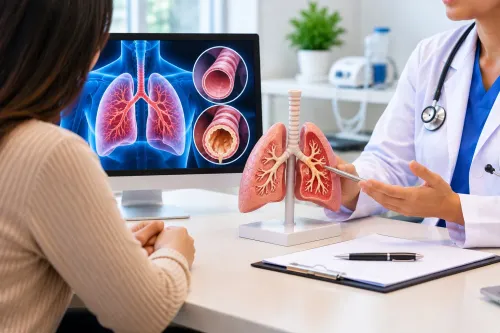
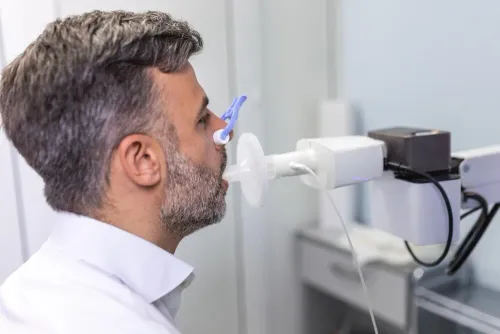
3. Arrange spirometry when your history or examination suggests COPD or asthma. The test measures airflow before and after a bronchodilator, rather than guessing from the cough alone.
4. Decide whether you need a chest X-ray, sputum testing or testing for tuberculosis, pneumonia or another infection. Acute bronchitis is usually viral, so antibiotics are not a default treatment.
5. Review cancer risk. In the United States, annual low-dose CT screening applies to many adults aged 50–80 with at least 20 pack-years who currently smoke or quit within 15 years; Indian eligibility can differ.
Dr Kunjir's Brio Clinic is one Pune option where a chest-focused assessment can separate airway irritation from COPD, infection or another cause before treatment is chosen.
Related services
Chest Diseases Treatment BRONCHITIS Bronchitis is a condition that develops when the airways in the lungs, called bronchial tubes, become inflamed and cause coughing, often with mucus... |
CHEST DISEASES TREATMENT COUGH, DIFFICULTY IN BREATHING If you are short of breath with a cough and/or fever, you may have a chest infection or pneumonia. View service → |
Treatment starts with removing the airway irritant
Stopping exposure to smoke is the most effective treatment for airway irritation. Switching cigarette brands, choosing menthol products or replacing cigarettes with another inhaled tobacco product does not remove the irritant. Vaping can also sustain cough and airway symptoms, so include it in the quit plan rather than treating it as a risk-free substitute.
For quitting, choose a target date, remove tobacco from your home and identify the situations that trigger use. Support from a clinician, counsellor, quitline or structured cessation programme improves your chance of staying tobacco-free. A clinician can help select:
- Nicotine replacement therapy, such as patches combined with gum or lozenges
- Varenicline
- Bupropion
Medication choice must account for pregnancy, breastfeeding, mental-health history, seizure risk, other medicines and local prescribing guidance. Ask about follow-up if cravings remain strong or you return to smoking; a lapse is a signal to adjust the plan, not a reason to abandon it.
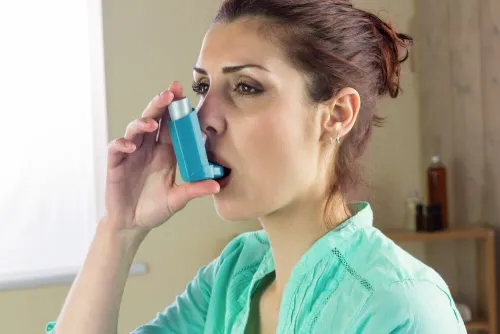
Acute bronchitis is usually viral, so antibiotics generally do not shorten an uncomplicated cough and can cause adverse effects and antimicrobial resistance. Rest, fluids and honey for adults and children over one year can ease symptoms; an inhaler belongs in treatment when examination shows wheeze or asthma-related narrowing.
A respiratory specialist can investigate a persistent smoking cough rather than assume “bronchitis.” Ask for assessment if symptoms continue, change or recur, especially with breathlessness, blood, weight loss or night sweats.
Frequently asked questions
Can smoking cause bronchitis?
Yes. Tobacco smoke inflames the bronchial tubes, increases mucus and damages cilia that clear particles, causing persistent cough and chronic bronchitis.
Which smoking bronchitis symptoms need medical attention?
Book an assessment for a persistent smoker’s cough, increased mucus, wheezing, chest discomfort or breathlessness, especially when symptoms worsen.
When does a smoker’s cough become an urgent breathing problem?
Seek urgent care for severe or rapidly worsening breathlessness, blue lips, confusion, inability to speak full sentences or chest pain.
When should you see a bronchitis doctor for a smoker’s cough?
Arrange an assessment when the cough lasts more than three weeks, keeps returning, produces blood or comes with wheezing or reduced exercise tolerance.
What is the first treatment step for smoking-related bronchitis?
Remove the airway irritant by stopping smoking and avoiding second-hand smoke, then seek an assessment for persistent or worsening symptoms.
Related services
Chest Diseases Treatment BRONCHIECTASIS Bronchiectasis is a long-term condition where the airways of the lungs become widened, leading to a build-up of excess mucus that can make the lungs... |
COUGH, DIFFICULTY IN BREATHING CHEST DISEASES TREATMENT PROVIDED FOR Bronchoscopic Lung Volume Reduction – a non-surgical procedure to improve breathing in people with emphysema and COPD. ... View service → |
Chest Diseases Treatment Asthma triggered by exposure to the same substances that trigger allergy symptoms. View service → |
Chest Diseases Treatment TUBERCULOSIS (TB) is a serious illness that mainly affects the lungs. The germs that cause tuberculosis are a type of bacteria. |
Keywords